
Best Family Security Dogs for Russian Homes | Top Protective Dog Breeds
Explore the best family security dogs in Russia. Discover good family protection dogs that offer love, loyalty, and dependable home security for every Russian household.
August 07, 2025 11:17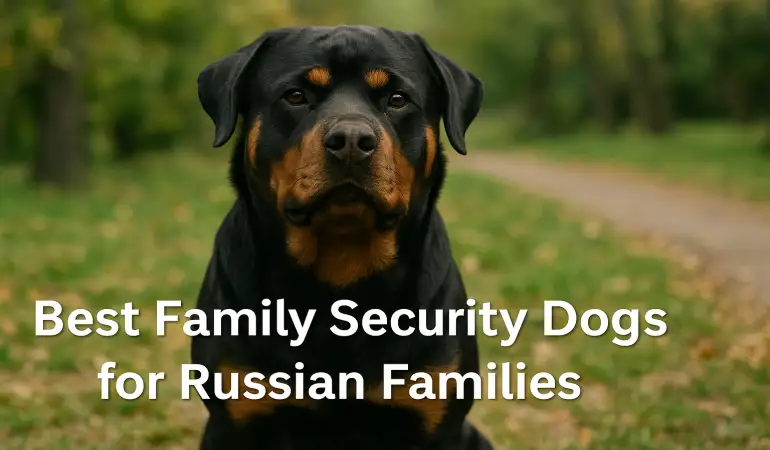
Best Family Security Dogs for Russian Families | Protect Your Loved Ones
When it comes to protecting your family while maintaining a loving household environment, choosing the right security dog is crucial. For Russian families seeking the perfect balance between protection and companionship, selecting the best family security dogs requires careful consideration of breed characteristics, temperament, and specific family needs. This comprehensive guide will explore the top family dogs that excel in both security and family protection roles, helping you make an informed decision for your loved ones' safety.
Understanding Family Security Dogs vs. Guard Dogs
Before diving into specific breeds, it's essential to understand the distinction between family security dogs and traditional guard dogs. The best dog for security and family combines protective instincts with gentle, loving behavior toward family members. Unlike aggressive guard dogs trained solely for protection, good family protection dogs possess the intelligence to distinguish between threats and everyday situations while maintaining their role as beloved family companions.
Family security dogs offer several advantages over traditional security systems. They provide 24/7 protection, serve as loyal companions, and can adapt their response based on the situation's severity. These remarkable animals bond deeply with their families while maintaining their protective instincts, making them ideal choices for Russian households seeking comprehensive security solutions.
Top Family Security Dog Breeds for Russian Families
German Shepherds: The Ultimate Family Protectors
German Shepherds consistently rank among the best family security dogs worldwide, and their popularity in Russia is well-deserved. These intelligent, versatile dogs possess an ideal combination of loyalty, trainability, and protective instincts that make them exceptional family guardians.
Originally bred for herding, German Shepherds have evolved into one of the most trusted breeds for family protection. Their keen intelligence allows them to assess situations quickly and respond appropriately, whether that means alerting the family to strangers or providing comfort to children. These dogs typically weigh between 50-90 pounds and stand 22-26 inches tall, providing an impressive physical presence that deters potential threats.
German Shepherds excel in cold weather conditions, making them particularly suitable for Russian climates. Their double coat provides excellent insulation against harsh winters, while their high energy levels ensure they remain active and alert year-round. These dogs require regular exercise and mental stimulation, but their trainability makes them relatively easy to manage for dedicated families.
When properly socialized from a young age, German Shepherds display remarkable gentleness with children while maintaining their protective instincts. They form strong bonds with all family members and often designate themselves as guardians of the household's youngest members.
Rottweilers: Powerful and Devoted Family Guardians
Rottweilers represent another excellent choice among good family protection dogs, particularly for Russian families seeking a powerful yet gentle companion. These robust dogs typically weigh 80-135 pounds and possess natural protective instincts combined with deep family loyalty.
Despite their intimidating appearance, well-trained Rottweilers are gentle giants who adore their families. They're naturally wary of strangers, making them excellent watchdogs, but they respond well to proper introduction and socialization. Rottweilers require consistent training and early socialization to ensure they develop into well-balanced family protectors.
These dogs thrive in colder climates and adapt well to Russian weather conditions. Their calm, confident demeanor makes them excellent companions for families with children, though their size requires supervision around very young children. Rottweilers are known for their "Rottie lean," a behavior where they lean against their favorite family members as a sign of affection and bonding.
The breed's intelligence and eagerness to please make them highly trainable, though they require a confident, consistent handler. Once properly trained, Rottweilers become devoted family members who will protect their loved ones without hesitation.
Doberman Pinschers: Elegant and Efficient Protectors
Doberman Pinschers earn their place among the top family dogs through their combination of elegance, intelligence, and unwavering loyalty. These sleek, athletic dogs typically weigh 60-100 pounds and possess remarkable speed and agility that complement their protective instincts.
Originally developed in Germany, Dobermans were specifically bred to be personal protection dogs. Their natural alertness and quick response times make them exceptional family security dogs. They possess an innate ability to assess threats and respond proportionally, making them ideal for family environments.
Dobermans are highly intelligent and trainable, often excelling in obedience training and advanced protection work. They form incredibly strong bonds with their families and are particularly known for their loyalty to children. Their short coat makes grooming relatively easy, though they may require additional protection in extremely cold Russian winters.
These dogs require regular exercise and mental stimulation to prevent destructive behavior. When properly exercised and trained, Dobermans are calm, gentle family companions who transform into formidable protectors when necessary.
Belgian Malinois: The Athletic Family Guardian
Belgian Malinois have gained recognition as some of the best family security dogs due to their exceptional working ability and family devotion. These medium-sized dogs typically weigh 40-80 pounds but possess energy and drive that rivals much larger breeds.
Originally bred for herding, Malinois have become the preferred breed for many military and police units worldwide. Their intelligence, trainability, and work ethic make them outstanding family protectors when properly trained and socialized. They require experienced handlers who can provide adequate mental and physical stimulation.
Malinois adapt well to cold weather conditions and maintain their energy levels throughout Russian winters. They're naturally protective of their families while remaining social with properly introduced guests. These dogs excel in various training disciplines and often enjoy learning new tasks and commands.
While Malinois make excellent family dogs, they require significant exercise and mental stimulation. Families considering this breed should be prepared for an active, engaging companion who thrives on having a job to do.
Cane Corso: The Italian Mastiff Family Protector
The Cane Corso represents one of the most impressive good family protection dogs, combining ancient guardian instincts with modern family companionship. These large, powerful dogs typically weigh 88-110 pounds and possess a natural protective instinct that makes them exceptional family guardians.
Originally bred in Italy for hunting and property protection, Cane Corsos have evolved into devoted family companions who maintain their protective nature. They're naturally wary of strangers but respond well to proper socialization and training. These dogs form incredibly strong bonds with their families and are particularly gentle with children they consider part of their pack.
Cane Corsos adapt reasonably well to cold weather, though their short coat may require additional protection during extreme Russian winters. They're calm, confident dogs who rarely bark without cause, making them excellent neighborhood companions while maintaining their protective abilities.
These dogs require consistent training and socialization from a young age. When properly raised, Cane Corsos become gentle giants who are devoted to their families while maintaining their natural guardian instincts.
Bullmastiff: The Gentle Giant Security Dog
Bullmastiffs earn their reputation as excellent family security dogs through their combination of impressive size, gentle temperament, and natural protective instincts. These large dogs typically weigh 100-130 pounds and were originally bred to protect English estates from poachers.
Despite their intimidating size, Bullmastiffs are known for their gentle, patient nature with children. They're naturally quiet dogs who prefer to intimidate through presence rather than aggression. This makes them ideal for families seeking protection without excessive barking or aggressive behavior.
Bullmastiffs adapt well to colder climates and are content with moderate exercise levels, making them suitable for various Russian living situations. They're naturally protective of their families while remaining calm and stable in most situations.
These dogs require early socialization and consistent training, though they're generally easier to manage than some other large breeds. Their loyal, devoted nature makes them excellent family companions who will protect their loved ones when necessary.
Russian Native Breeds: Homegrown Family Protectors
Caucasian Shepherd Dog: The Mountain Guardian
The Caucasian Shepherd Dog, or Caucasian Ovcharka, represents one of Russia's most impressive native guardian breeds. These massive dogs were originally bred to protect livestock in the Caucasus Mountains and possess natural protective instincts that make them formidable family guardians.
Weighing 99-170 pounds or more, Caucasian Shepherds are among the largest guardian breeds. They're naturally suspicious of strangers and possess an independent nature that requires experienced handling. When properly socialized and trained, they become devoted family protectors who are gentle with children and family members.
These dogs are perfectly adapted to harsh Russian weather conditions and thrive in cold climates. Their thick double coat provides excellent protection against extreme temperatures, making them ideal for outdoor living in appropriate climates.
Caucasian Shepherds require extensive socialization and consistent training from experienced handlers. They're not recommended for first-time dog owners but can become exceptional family guardians for families with appropriate experience and dedication.
Central Asian Shepherd Dog: The Ancient Protector
The Central Asian Shepherd Dog, also known as the Alabai, is another impressive Russian native breed with centuries of guardian heritage. These large, powerful dogs typically weigh 88-110 pounds and possess natural protective instincts combined with loyalty to their families.
Originally bred to protect nomadic tribes and their livestock, Central Asian Shepherds maintain their protective nature while adapting to modern family life. They're naturally independent and confident dogs who require consistent training and socialization from experienced handlers.
These dogs are exceptionally well-adapted to harsh climates and thrive in cold Russian weather conditions. Their calm, confident demeanor makes them excellent family companions when properly trained and socialized.
Central Asian Shepherds form strong bonds with their families and are particularly protective of children. They require adequate space and exercise but are generally calmer than many other guardian breeds.
Factors to Consider When Choosing Family Security Dogs
Climate Adaptation for Russian Conditions
When selecting the best family security dogs for Russian families, climate adaptation is crucial. Russia's diverse climate zones, from the relatively mild western regions to the harsh Siberian conditions, require dogs that can function effectively in cold weather.
Breeds with double coats, such as German Shepherds and Caucasian Shepherds, naturally excel in cold conditions. Their undercoat provides insulation while the outer coat repels moisture and wind. Single-coated breeds like Dobermans may require additional protection during extreme weather but can still function effectively with proper care.
Consider your specific regional climate when choosing a family security dog. Dogs in northern regions will need better cold weather adaptation than those in southern Russian areas. Additionally, ensure your chosen breed can remain active and alert during winter months when security needs may be heightened.
Living Space and Exercise Requirements
Different security dog breeds have varying space and exercise requirements that must be considered for Russian families. Large breeds like Caucasian Shepherds require significant space and are better suited to homes with large yards or rural properties. Medium-sized breeds like Belgian Malinois can adapt to smaller spaces but require intensive daily exercise.
Urban Russian families may find breeds like German Shepherds or Dobermans more manageable, as they can adapt to apartment living with adequate exercise. However, all security dogs require regular physical activity and mental stimulation to maintain their protective abilities and prevent destructive behavior.
Consider your family's lifestyle and activity level when choosing a security dog. Active families who enjoy outdoor activities may prefer high-energy breeds like Belgian Malinois, while families seeking calmer companions might choose Bullmastiffs or well-trained Rottweilers.
Training and Socialization Needs
The best dog for security and family requires extensive training and socialization to develop into a well-balanced family protector. Early socialization is crucial for helping security dogs distinguish between normal activities and genuine threats.
Professional training is often recommended for families choosing security dogs, particularly for powerful breeds or those without extensive dog experience. Training should focus on obedience, protection commands, and appropriate response to various situations.
Russian families should consider local training resources and professional trainers experienced with security dogs. Many breeds benefit from ongoing training throughout their lives to maintain their skills and strengthen their bond with family members.
Family Composition and Lifestyle
Your family's specific composition and lifestyle significantly impact which security dog breed will work best. Families with young children need dogs known for their gentle nature with kids, such as German Shepherds or Bullmastiffs. Families with elderly members may prefer calmer breeds that are less likely to accidentally knock over family members.
Consider any family members with allergies, as some breeds shed more than others. Additionally, evaluate your family's experience with dogs and commitment to training and care. Some breeds require more intensive management than others.
Active families who enjoy outdoor activities may prefer athletic breeds like Belgian Malinois or Dobermans, while families seeking calmer companions might choose breeds like Cane Corsos or well-trained Rottweilers.
Training Your Family Security Dog
Basic Obedience and Foundation Training
All good family protection dogs must master basic obedience before advancing to protection training. Foundation training includes commands like sit, stay, come, down, and heel, which form the basis for more advanced security training.
Consistency is crucial during foundation training. All family members should use the same commands and rewards to avoid confusing the dog. Russian families should establish clear household rules and ensure everyone follows them consistently.
Foundation training typically takes 3-6 months for most breeds, though some may require longer. Professional trainers can help families establish proper training routines and address any behavioral issues early in the process.
Socialization for Balanced Protection Dogs
Proper socialization is essential for developing the best family security dogs. Well-socialized dogs can distinguish between normal activities and genuine threats, reducing the likelihood of inappropriate aggressive responses.
Socialization should begin early and continue throughout the dog's life. Expose your security dog to various people, situations, and environments while maintaining positive experiences. This helps them develop confidence and appropriate responses to different scenarios.
Russian families should socialize their security dogs with neighbors, delivery personnel, and regular visitors to prevent inappropriate protection responses. Professional socialization classes can provide controlled environments for learning appropriate social behavior.
Advanced Protection Training
Advanced protection training should only be conducted by experienced professional trainers who understand the specific needs of family security dogs. This training teaches dogs to respond appropriately to genuine threats while maintaining their gentle nature with family members.
Protection training typically includes alert behaviors, controlled aggression, and release commands. Dogs learn to escalate their response based on the threat level and family member commands. This training requires ongoing maintenance to remain effective.
Russian families considering advanced protection training should research qualified trainers with experience in family protection dogs. The training process typically takes several months and requires ongoing practice to maintain skills.
Health Considerations for Security Dogs
Common Health Issues by Breed
Different security dog breeds have specific health considerations that Russian families should understand. Large breeds like German Shepherds and Rottweilers are prone to hip and elbow dysplasia, which can affect their mobility and working ability.
Giant breeds like Caucasian Shepherds may experience bloat, heart conditions, and joint problems. Regular veterinary care and appropriate exercise can help prevent or manage many of these conditions.
Medium-sized breeds like Belgian Malinois typically have fewer health issues but may experience hip dysplasia or eye problems. Regular health screening and preventive care are essential for all security dog breeds.
Preventive Care and Maintenance
Maintaining your security dog's health is crucial for their protective ability and family bond. Regular veterinary checkups, appropriate vaccinations, and preventive treatments help ensure your dog remains healthy and capable.
Proper nutrition plays a vital role in maintaining security dogs' health and energy levels. High-quality dog food appropriate for your dog's age, size, and activity level supports their physical and mental well-being.
Regular grooming, dental care, and nail trimming are essential for all security dogs. These activities also provide opportunities to bond with your dog and monitor their health status.
Exercise and Mental Stimulation Requirements
All security dogs require regular exercise to maintain their physical fitness and mental alertness. The amount and type of exercise vary by breed, but most security dogs need at least 60-90 minutes of activity daily.
Mental stimulation is equally important for security dogs. Training sessions, puzzle toys, and varied activities help prevent boredom and maintain their protective instincts. Bored security dogs may develop destructive behaviors or lose their focus on family protection.
Russian families should develop exercise routines that work year-round, including indoor activities for extreme weather conditions. Many security dogs enjoy activities like hiking, running, or playing fetch in addition to their training routines.
Legal and Ethical Considerations in Russia
Understanding Local Laws and Regulations
Russian families considering security dogs must understand local laws and regulations regarding dog ownership and protection dogs. Different regions may have specific requirements for licensing, registration, or restrictions on certain breeds.
Some municipalities require liability insurance for owners of large or protection-trained dogs. Additionally, there may be regulations regarding containment, leash laws, or public access restrictions for security dogs.
Research your local laws thoroughly before acquiring a security dog. Contact local authorities or legal professionals if you have questions about specific requirements in your area.
Responsible Ownership and Community Relations
Owning security dogs comes with significant responsibilities toward your community and neighbors. Well-trained, properly managed security dogs should not pose threats to innocent people or other animals in your neighborhood.
Maintain proper containment systems to prevent your security dog from wandering and potentially causing problems. Ensure your dog's training includes appropriate responses to neighbors, delivery personnel, and other regular visitors.
Building positive relationships with neighbors and community members helps ensure your security dog is accepted as a responsible addition to the neighborhood. Consider introducing your well-trained dog to neighbors and explaining their role as a family protector.
Insurance and Liability Considerations
Security dogs may affect your homeowner's or renter's insurance coverage. Some insurance companies exclude coverage for certain breeds or dogs with protection training. Contact your insurance provider to understand how a security dog might affect your coverage.
Consider additional liability insurance specifically for your security dog. This coverage can protect you financially if your dog causes injury or property damage, even if the incident occurs while protecting your family.
Document your dog's training, health records, and behavioral assessments to demonstrate responsible ownership. This documentation can be valuable if insurance or legal issues arise.
Cost Analysis: Investment in Family Security
Initial Purchase and Setup Costs
The initial cost of acquiring the best family security dogs varies significantly based on breed, bloodline, and training level. Well-bred puppies from quality breeders typically cost $1,000-$5,000 or more, while trained adult security dogs may cost $10,000-$50,000 depending on their training level.
Additional setup costs include proper containment systems, quality dog equipment, initial veterinary care, and training expenses. Budget $2,000-$5,000 for initial setup costs beyond the dog's purchase price.
Consider the long-term investment when evaluating initial costs. A well-trained, healthy security dog can provide 10-12 years of family protection and companionship, making the initial investment more reasonable when viewed over their lifetime.
Ongoing Care and Maintenance Costs
Annual care costs for security dogs include food, veterinary care, grooming, training maintenance, and equipment replacement. Expect to spend $2,000-$4,000 annually on basic care for most security dog breeds.
Large breeds typically have higher food costs and may require more expensive veterinary care. Additionally, ongoing training or professional consultation may add to annual expenses.
Budget for unexpected medical expenses or emergency veterinary care. Consider pet insurance or maintain an emergency fund specifically for your security dog's health needs.
Comparing Costs to Security Systems
When evaluating the cost of family security dogs versus traditional security systems, consider both monetary and intangible benefits. While security dogs require ongoing care costs, they provide companionship, emotional support, and adaptive protection that electronic systems cannot match.
Traditional security systems may have lower ongoing costs but lack the deterrent effect and adaptive response capabilities of well-trained security dogs. Additionally, security dogs provide protection during power outages or system failures.
Consider your family's specific needs and preferences when comparing security options. Many families find that the combination of emotional benefits and security protection makes family security dogs a valuable investment.
Choosing Your Family's Perfect Protector
Selecting the best family security dogs for Russian families requires careful consideration of breed characteristics, family needs, and local conditions. The breeds discussed in this guide represent excellent options for families seeking the perfect balance between protection and companionship.
Remember that the best dog for security and family is one that matches your specific situation, lifestyle, and experience level. Whether you choose a German Shepherd for their versatility, a Rottweiler for their devotion, or a native Russian breed for their climate adaptation, success depends on proper training, socialization, and responsible ownership.
Good family protection dogs require significant investment in time, money, and commitment, but they provide unmatched security, companionship, and peace of mind for Russian families. With proper selection, training, and care, your family security dog will become a beloved family member who provides years of protection and loyalty.
The decision to add a security dog to your family is significant and should not be taken lightly. Research breeds thoroughly, contact reputable breeders or trainers, and ensure your family is prepared for the commitment involved. With proper preparation and dedication, top family dogs can provide your Russian family with the protection and companionship you seek while becoming treasured family members for years to come.
Take time to evaluate your specific needs, research local resources, and connect with experienced professionals who can guide you through the process of selecting and training your ideal family security dog. The investment in proper selection and training will pay dividends in the form of enhanced family security and a loyal companion who will protect your loved ones with their life
User Comments (0)


Advertisement Zone
Interested in advertising here?
Contact us at support@bestfamilydogs.com
Advertisement Zone
Interested in advertising here?
Contact us at support@bestfamilydogs.com
Advertisement Zone
Interested in advertising here?
Contact us at support@bestfamilydogs.com