
Dogs Perfect for Families in Australia: Best Guard Dog with Family Qualities
Explore the best dog breeds perfect for families in Australia. Discover dogs that are loving, loyal, and serve as the best guard dogs with family traits.
August 05, 2025 05:36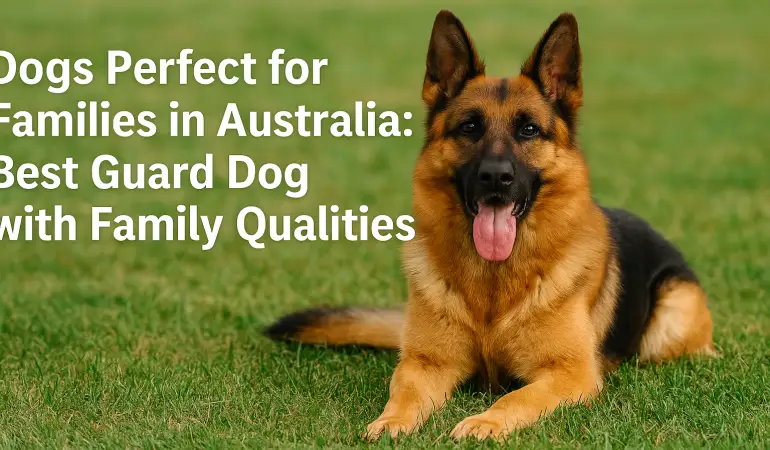
Finding the perfect canine companion that can serve as both a loving family member and reliable protector is a priority for many Australian households. The ideal family guard dog combines unwavering loyalty, protective instincts, and gentle temperament with children. This comprehensive guide explores the dogs perfect for families that also excel as guardians, helping you make an informed decision about the best guard dog with family qualities for your Australian home.
Understanding What Makes Dogs Perfect for Families
When searching for dogs perfect for families, several key characteristics distinguish exceptional family pets from ordinary companions. The ideal family dog demonstrates patience with children, adaptability to household routines, and intelligence that makes training manageable. These qualities become even more important when considering a family with a dog that serves dual purposes as both companion and protector.
Australian families particularly benefit from dogs that can handle the country's diverse climate conditions, from tropical humidity in Queensland to temperate conditions in Victoria and Tasmania. The best dog for protection and family life must demonstrate thermal adaptability while maintaining consistent temperament regardless of weather conditions.
Essential Traits in Family Guard Dogs
The best guard dog with family qualities encompasses several non-negotiable characteristics. These dogs must exhibit controlled aggression, meaning they can distinguish between genuine threats and normal household activities. They should show natural protective instincts without displaying unpredictable aggression toward family members or visitors.
Intelligence ranks among the most crucial traits, as smart dogs learn household rules quickly and understand when protection is necessary versus when relaxation is appropriate. The best dog for protection and family scenarios requires a canine that can seamlessly transition between playmate and guardian depending on circumstances.
Socialization capabilities prove equally important. Dogs perfect for families must interact positively with children of all ages, other pets, and regular visitors while remaining alert to potential threats. This balance requires careful breeding and proper training from an early age.
Top Australian Family Guard Dog Breeds
German Shepherds: The Ultimate Family Protector
German Shepherds consistently rank as the best guard dog with family qualities across Australia. These magnificent dogs combine fierce loyalty with gentle patience around children. Originally bred for herding, German Shepherds possess natural protective instincts that make them excellent guardians while maintaining the temperament necessary for family with a dog dynamics.
Their intelligence makes them highly trainable, allowing families to establish clear boundaries between protection and play. German Shepherds typically weigh between 22-40 kilograms, making them substantial enough to deter intruders while remaining manageable for most family members.
In Australian conditions, German Shepherds adapt well to various climates, though they require adequate shelter during extreme heat. Their double coat provides insulation against cold temperatures common in southern regions while being manageable in warmer northern areas with proper grooming.
Rottweilers: Powerful Yet Gentle Giants
Rottweilers represent another excellent choice for families seeking the best dog for protection and family life. Despite their intimidating appearance, well-bred Rottweilers display remarkable gentleness with family members, particularly children they've been raised alongside.
These powerful dogs typically weigh 35-60 kilograms, providing formidable physical deterrence against potential threats. However, their size requires committed training and socialization to ensure they understand their role within the family structure. Dogs perfect for families like Rottweilers need consistent leadership and clear boundaries from all family members.
Rottweilers thrive in Australian climates with proper care, though their dark coat requires attention during summer months. Regular grooming and adequate water access help them manage heat effectively while maintaining their protective capabilities.
Doberman Pinschers: Athletic Family Guardians
Doberman Pinschers offer an excellent combination of athleticism, intelligence, and family devotion. These dogs were specifically bred for protection work, making them naturally suited as the best guard dog with family applications. Their sleek build and alert demeanor provide visual deterrence while their loyal nature ensures dedicated family protection.
Weighing typically 27-45 kilograms, Dobermans are large enough to handle protection duties while remaining agile and responsive. Their intelligence makes them highly trainable, essential for families requiring dogs perfect for families that can distinguish between normal activities and genuine threats.
Australian families appreciate Dobermans' adaptability to climate variations. Their short coat makes them comfortable in warmer regions while their athletic build helps them stay active in cooler areas. Regular exercise requirements align well with active Australian family lifestyles.
Belgian Malinois: High-Energy Family Protectors
Belgian Malinois have gained popularity among Australian families seeking best dog for protection and family combinations. These dogs possess incredible intelligence, athleticism, and work drive that translates into excellent family protection when properly channeled.
Malinois typically weigh 20-30 kilograms, making them more manageable than larger breeds while maintaining significant protective capability. Their high energy levels require active families committed to providing adequate mental and physical stimulation.
These dogs excel in Australian conditions, with their moderate size and athletic build making them adaptable to various living situations. Families with active lifestyles find Belgian Malinois integrate seamlessly into outdoor activities while maintaining vigilant protection at home.
Bullmastiffs: Gentle Giants with Guardian Hearts
Bullmastiffs represent the perfect balance of size, temperament, and protective instinct for many Australian families. These dogs combine the gentle nature necessary for family with a dog harmony with the physical presence required for effective deterrence.
Weighing 45-60 kilograms, Bullmastiffs provide substantial physical deterrence while typically displaying calm, patient temperaments around family members. Their breeding history as estate guardians makes them naturally suited for family protection roles.
Australian families appreciate Bullmastiffs' moderate exercise requirements and adaptability to various living situations. While their size requires adequate space, they don't demand the high activity levels of some other guardian breeds.
Factors to Consider When Choosing Family Guard Dogs
Space Requirements and Living Arrangements
Dogs perfect for families require adequate space for exercise, training, and relaxation. Australian homes vary significantly in size and layout, making space considerations crucial when selecting the best guard dog with family qualities.
Large breeds like German Shepherds and Rottweilers need sufficient yard space for exercise and mental stimulation. However, many guardian breeds adapt well to smaller properties when provided with regular exercise opportunities and mental enrichment activities.
Urban Australian families should consider local council regulations regarding dog ownership, particularly for larger breeds. Some areas have restrictions on certain breeds or require additional licensing for dogs over specific weight limits.
Climate Considerations Across Australia
Australia's diverse climate zones significantly impact breed selection for families seeking the best dog for protection and family life. Northern tropical regions require dogs that handle high humidity and temperatures, while southern areas may experience cold winters requiring different considerations.
Double-coated breeds like German Shepherds need extra attention during hot Australian summers but provide excellent cold weather tolerance. Short-coated breeds like Dobermans may require warm shelter during cooler months but handle heat more effectively.
Families should consider seasonal variations in their specific region when selecting guardian breeds. Dogs that struggle with local climate conditions may experience health issues that impact their effectiveness as family protectors.
Training and Socialization Requirements
Proper training forms the foundation of successful family with a dog relationships, particularly when the dog serves protective functions. Dogs perfect for families require consistent, positive training that establishes clear roles and boundaries.
Early socialization proves crucial for guardian breeds, helping them distinguish between normal social interactions and genuine threats. This process should begin during puppyhood and continue throughout the dog's life.
Australian families should budget for professional training assistance, particularly for first-time owners of guardian breeds. Proper training investment ensures the dog develops into the best guard dog with family qualities rather than becoming a liability.
Training Your Family Guard Dog
Establishing Pack Leadership
Successful family with a dog dynamics require clear leadership structure that all family members understand and maintain. Guardian breeds particularly need consistent leadership to channel their protective instincts appropriately.
Children should be taught proper interaction techniques with guardian dogs, understanding both the dog's capabilities and limitations. This education helps ensure the best dog for protection and family scenarios while maintaining safety for all family members.
Regular training sessions involving all family members help reinforce the dog's position within the family hierarchy while building strong bonds between the dog and each family member.
Basic Obedience and Protection Training
Foundation obedience training provides the groundwork for more advanced protection training. Dogs perfect for families must master basic commands like sit, stay, come, and heel before progressing to protection-specific training.
Protection training should focus on controlled responses rather than aggressive behaviors. The goal is developing a dog that responds to genuine threats while remaining calm during normal daily activities.
Professional trainers experienced with guardian breeds can help families develop training programs tailored to their specific needs and living situations. This investment ensures the dog develops into the best guard dog with family applications.
Socialization with Children and Visitors
Proper socialization helps guardian dogs understand the difference between family members, welcome visitors, and potential threats. This distinction is crucial for family with a dog safety and effectiveness.
Children should be supervised during initial interactions with guardian dogs, gradually building trust and understanding between both parties. This process helps ensure the dog recognizes children as family members requiring protection rather than potential threats.
Regular exposure to various people, situations, and environments helps guardian dogs develop appropriate social responses while maintaining their protective instincts when genuinely needed.
Health Considerations for Australian Family Guard Dogs
Common Health Issues in Guardian Breeds
Large guardian breeds often face specific health challenges that Australian families should understand before commitment. Hip and elbow dysplasia affect many guardian breeds, potentially impacting their long-term mobility and working ability.
Dogs perfect for families require regular veterinary care to maintain their health and effectiveness as protectors. Preventive care proves more cost-effective than treating advanced health conditions later.
Australian families should research breed-specific health issues and locate veterinarians experienced with guardian breeds. This preparation ensures access to appropriate care throughout the dog's life.
Nutrition Requirements for Working Dogs
Guardian dogs often have higher nutritional requirements than typical family pets due to their size and activity levels. The best guard dog with family qualities requires proper nutrition to maintain physical condition and mental alertness.
High-quality protein sources support muscle development and maintenance crucial for guardian dogs. Australian families should budget for premium dog food formulated for large, active breeds.
Regular monitoring of body condition helps ensure guardian dogs maintain optimal weight for their protective duties while avoiding obesity-related health issues common in large breeds.
Exercise and Mental Stimulation Needs
Best dog for protection and family scenarios require dogs that receive adequate physical exercise and mental stimulation. Bored or under-exercised guardian dogs may develop behavioral issues that impact their effectiveness as family protectors.
Australian families should plan daily exercise routines that accommodate their chosen breed's specific needs. This might include structured walks, play sessions, or organized activities like agility training.
Mental stimulation through training exercises, puzzle toys, and varied activities helps maintain guardian dogs' alertness and responsiveness. These activities also strengthen the bond between dog and family members.
Legal and Insurance Considerations
Australian Dog Ownership Regulations
Australian families must understand local and state regulations regarding dog ownership, particularly for larger guardian breeds. Some councils have specific requirements for dogs over certain weights or breeds with guardian backgrounds.
Registration requirements vary across Australian states and territories, with some areas requiring additional licensing for dogs intended for protection purposes. Families should research these requirements before acquiring their chosen breed.
Leash laws and public access restrictions may impact how families can exercise and socialize their guardian dogs. Understanding these limitations helps ensure compliance while meeting the dog's needs.
Insurance Implications
Home insurance policies may have specific clauses regarding dog ownership, particularly for breeds commonly used for protection purposes. Australian families should review their insurance coverage before acquiring a guardian dog.
Some insurance companies offer discounts for homes with trained guard dogs, recognizing their deterrent value against burglary and property crime. However, other insurers may increase premiums or exclude coverage for bite-related incidents.
Liability insurance becomes particularly important for family with a dog situations involving guardian breeds. This coverage protects families against potential legal claims related to their dog's actions.
Creating the Perfect Environment for Family Guard Dogs
Home Security Integration
Dogs perfect for families with guardian capabilities work most effectively when integrated into comprehensive home security systems. Their natural alertness complements technological security measures for complete protection.
Strategic positioning of dog beds and resting areas allows guardian dogs to monitor key entry points while remaining comfortable. This placement maximizes their effectiveness while maintaining their role as family companions.
Fencing and yard security become crucial considerations for families with guardian dogs. Secure perimeters protect the dog while containing them on the property, reducing liability concerns and ensuring their availability for protection duties.
Family Routine Integration
Successful best guard dog with family relationships require integration into daily family routines. This includes meal times, exercise schedules, and relaxation periods that accommodate both family needs and the dog's requirements.
Children's activities and schedules should be considered when planning the dog's training and exercise routines. This coordination ensures the dog remains a positive addition to family life rather than a burden.
Regular family meetings to discuss the dog's progress, needs, and any concerns help ensure all family members remain committed to the dog's success as both companion and protector.
Cost Considerations for Australian Families
Initial Investment
Acquiring a quality guardian dog from reputable breeders represents a significant initial investment for Australian families. Prices for well-bred guardian breeds typically range from $1,500 to $4,000 or more, depending on bloodlines and training.
Additional initial costs include equipment, initial veterinary care, registration fees, and basic training supplies. Families should budget $1,000 to $2,000 for these initial setup costs.
Professional training represents another significant initial investment, potentially costing $1,000 to $3,000 depending on the level of training desired and the dog's individual needs.
Ongoing Expenses
Monthly expenses for best dog for protection and family situations include high-quality food, routine veterinary care, grooming, and ongoing training maintenance. These costs typically range from $200 to $400 monthly for large guardian breeds.
Annual veterinary expenses for guardian breeds often exceed those of smaller dogs due to their size and potential health issues. Families should budget $800 to $1,500 annually for routine care, with additional funds reserved for emergency situations.
Insurance premiums, licensing fees, and replacement equipment represent additional ongoing costs that Australian families should factor into their budgets before committing to guardian dog ownership.
Conclusion: Choosing Your Perfect Family Guardian
Selecting the best guard dog with family qualities requires careful consideration of breed characteristics, family needs, living situation, and long-term commitment. Australian families have excellent options among guardian breeds that combine protective instincts with family-friendly temperaments.
Dogs perfect for families serving dual roles as companions and protectors represent significant investments in time, money, and emotional commitment. However, the rewards of sharing your life with a loyal, protective family member often exceed these investments.
The best dog for protection and family scenarios develop through proper selection, training, socialization, and ongoing commitment from all family members. Success requires understanding that guardian dogs are family members first, with protection being a natural extension of their loyalty and devotion.
Australian families willing to invest in proper selection, training, and care will find that family with a dog life enhanced by a well-trained guardian provides security, companionship, and countless rewarding experiences. The key lies in choosing the right breed for your specific situation and committing to the ongoing relationship required for success.
Whether you choose a German Shepherd's intelligence, a Rottweiler's gentle strength, a Doberman's athleticism, a Belgian Malinois's energy, or a Bullmastiff's calm presence, the right guardian dog will become an irreplaceable member of your Australian family, providing both security and unconditional love for years to come
User Comments (0)


Advertisement Zone
Interested in advertising here?
Contact us at support@bestfamilydogs.com
Advertisement Zone
Interested in advertising here?
Contact us at support@bestfamilydogs.com
Advertisement Zone
Interested in advertising here?
Contact us at support@bestfamilydogs.com