
Most Loyal Dog Breeds for Cold Climates in Russian Homes
From Siberian Huskies to Samoyeds, meet the most loyal dogs for Russia’s cold climate. Learn their traits, history, and care tips
August 08, 2025 06:43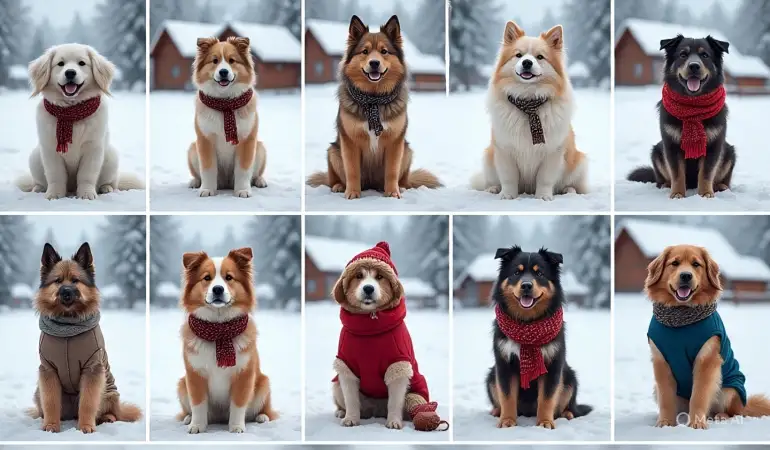
Russia's vast territory encompasses some of the world's harshest winter conditions, where temperatures can plummet to -40°C (-40°F) or lower. For centuries, Russian families have relied on canine companions that can not only survive these brutal conditions but thrive alongside their human families. The ideal dog for Russian homes must possess an extraordinary combination of unwavering loyalty and remarkable cold-weather resilience.
These hardy breeds have evolved alongside Russian communities, developing thick double coats, incredible endurance, and deep bonds with their families. Unlike fair-weather companions, these dogs view snow and ice as their natural playground, making them perfect partners for Russian winters that can last up to seven months in some regions.
What Makes a Dog Ideal for Cold Climates in Russia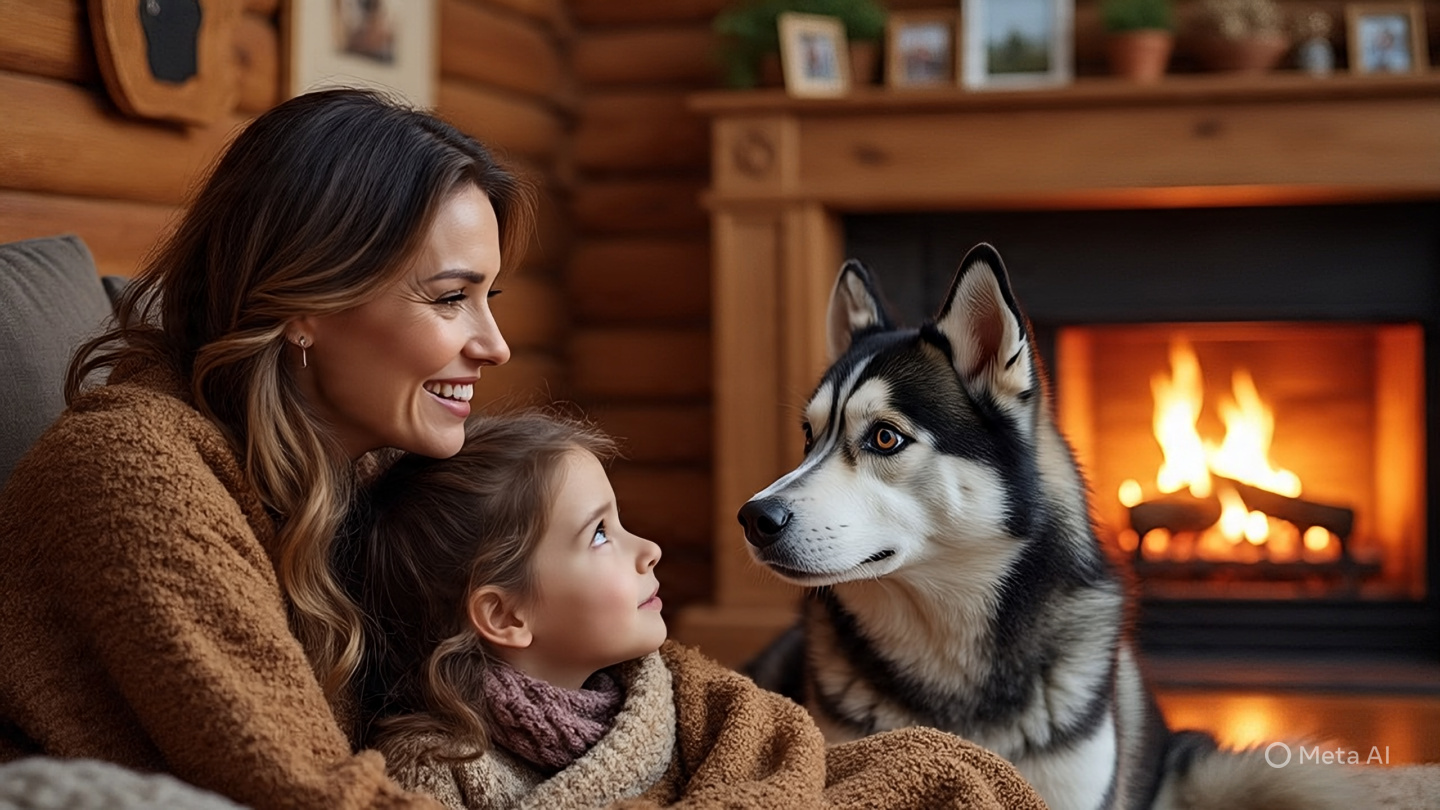
Thick, Insulating Coats for Subzero Temperatures
The most crucial characteristic for any dog living in Russia's extreme climate is a dense, double-layered coat system. The outer guard hairs repel moisture and wind, while the soft undercoat provides essential insulation. These natural winter coats allow dogs to remain comfortable even when outdoor temperatures become life-threatening for less adapted breeds.
Stamina and Hardiness in Snow and Ice
Russian climate dogs must possess exceptional physical endurance and sturdy builds. Their bodies are designed for traversing deep snow, maintaining body heat during extended outdoor periods, and continuing normal activities despite challenging weather conditions. Strong, well-padded paws help them navigate icy surfaces without injury.
Loyal and Protective Instincts for Family Bonding
Beyond physical adaptation, these breeds demonstrate profound emotional bonds with their families. Their loyalty often borders on devotion, making them excellent guardians and companions. This deep attachment ensures they'll protect their human family members regardless of weather conditions or external threats.
Ability to Live Comfortably in Indoor/Outdoor Settings
Versatility between indoor and outdoor living is essential for Russian homes. These dogs must be content spending time in heated homes while retaining their ability to work and play outdoors for extended periods. This adaptability makes them ideal for families who enjoy winter activities or have outdoor work requirements.
Most Loyal Cold-Climate Dog Breeds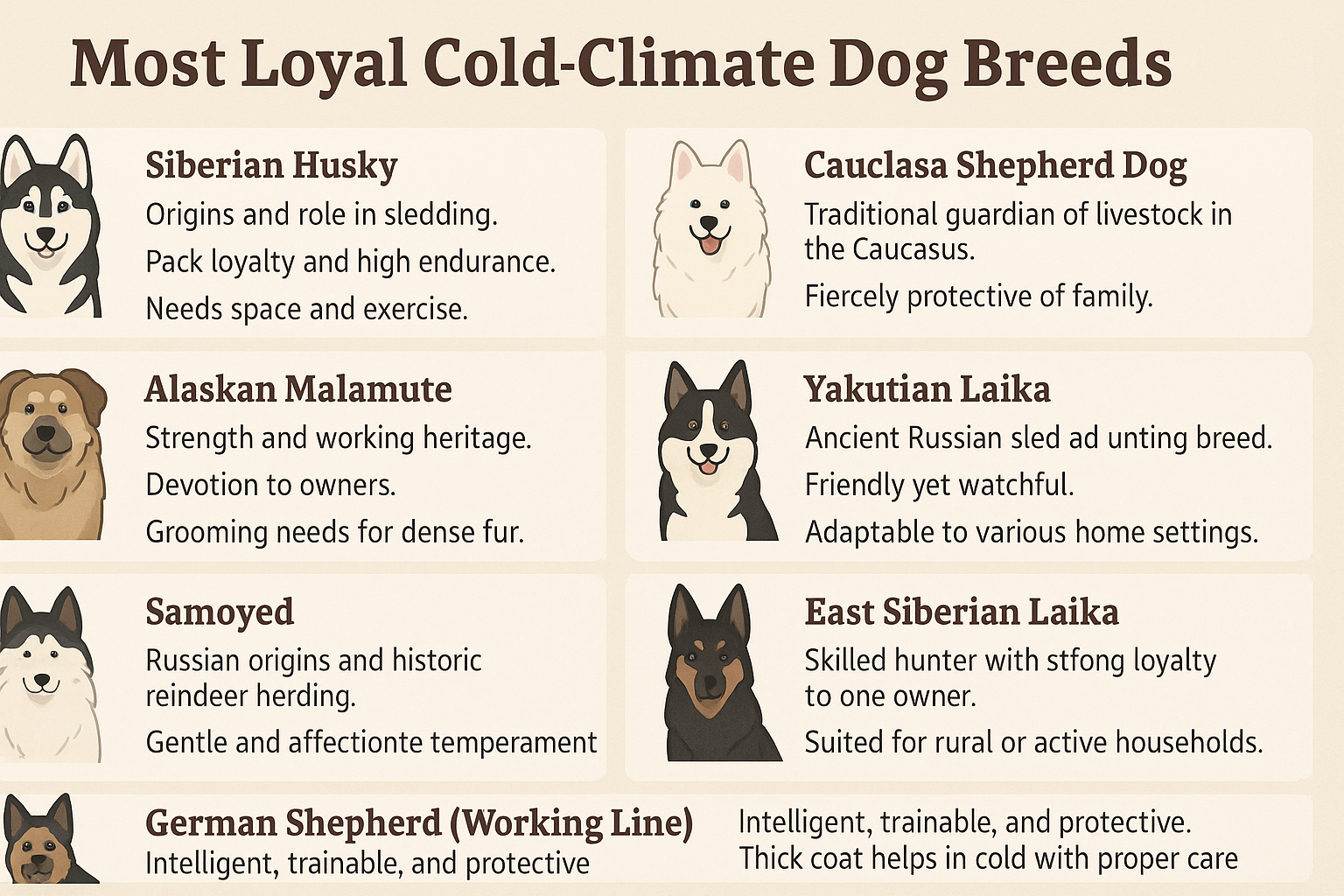
1. Siberian Husky
The Siberian Husky represents the pinnacle of cold-weather canine evolution, originally bred by the Chukchi people of northeastern Siberia over 3,000 years ago. These remarkable dogs were essential for survival in one of Earth's most inhospitable regions, pulling sleds across frozen tundra while maintaining incredible speed and endurance.
Their pack loyalty runs exceptionally deep, viewing their human family as their pack leaders. Huskies demonstrate unwavering dedication to their families while maintaining the stamina to work for hours in subzero conditions. However, their high energy levels and intelligence require substantial exercise and mental stimulation. They need large yards or regular access to extensive running areas to prevent destructive behaviors.
2. Alaskan Malamute
Despite their name suggesting Alaskan origins, Malamutes share ancestry with ancient Arctic breeds that populated Siberia. These powerful dogs were bred for strength rather than speed, capable of hauling heavy loads across vast frozen distances. Their muscular build and incredible work ethic made them invaluable to Arctic communities.
Malamutes form intense emotional bonds with their owners, often becoming one-person dogs despite their friendly nature with others. Their devotion manifests through protective behaviors and constant desire to please their families. However, their dense, thick coat requires regular grooming, especially during seasonal shedding periods when they release enormous amounts of undercoat.
3. Samoyed
The Samoyed breed originated among the Samoyede people of Siberia, where they served as reindeer herders, sled dogs, and family companions for over 3,000 years. Their distinctive white coat and perpetual smile make them instantly recognizable, but their gentle and affectionate temperament sets them apart from other working breeds.
Samoyeds are renowned for their exceptional gentleness with children and their desire to be involved in all family activities. They thrive on social interaction and can become anxious or destructive when left alone for extended periods. Their loyalty expresses itself through constant companionship rather than protective aggression, making them ideal family dogs in cold climates.
4. Caucasian Shepherd Dog
The Caucasian Shepherd, also known as the Caucasian Ovcharka, has protected livestock and families throughout the Caucasus Mountains region for over 2,000 years. These massive dogs were bred to confront wolves and bears while maintaining absolute loyalty to their human families.
Their protective instincts are legendary, with fierce devotion to their family members extending to suspicious behavior toward strangers. This makes them exceptional guard dogs but requires experienced ownership and extensive socialization. They need substantial space and are best suited for rural properties where their guarding instincts can be properly channeled.
5. Yakutian Laika
The Yakutian Laika represents one of Russia's most ancient and versatile breeds, developed by the Yakut people of northeastern Siberia. These dogs served multiple roles including sled pulling, hunting, reindeer herding, and family companionship, making them incredibly adaptable to various household needs.
Their temperament perfectly balances friendliness with watchfulness, creating loyal companions who welcome family members while remaining alert to potential threats. Yakutian Laikas adapt well to different home settings, from rural properties to urban environments, provided they receive adequate exercise and mental stimulation.
6. East Siberian Laika
The East Siberian Laika specializes in hunting large game across Siberia's vast forests and tundra. These dogs develop extraordinary loyalty bonds with single owners, often becoming deeply attached to one family member while remaining friendly with others.
Their hunting heritage makes them ideal for active households that enjoy outdoor adventures. They possess incredible stamina and intelligence, requiring owners who can provide challenging activities and consistent training. Rural or suburban homes with access to large outdoor areas best suit their exercise needs.
7. German Shepherd (Working Line)
While German Shepherds originated in Germany, working lines have been extensively bred in Russia for military and police work. These dogs demonstrate exceptional intelligence, trainability, and protective instincts that make them outstanding family guardians.
Working line German Shepherds possess thicker coats than show lines, providing better cold-weather protection. Their loyalty manifests through intense desire to please their families and protective behaviors toward family members. They require consistent training and mental challenges to prevent boredom-related behavioral issues.
Cultural and Historical Ties in Russia
Role of Sled Dogs in Siberian Survival
Sled dogs formed the backbone of transportation and survival in Russia's Arctic regions for millennia. Without these hardy companions, human settlement in Siberia's remote areas would have been impossible. They delivered mail, transported goods, and provided the mobility necessary for hunting and trade across frozen landscapes.
Traditional Guarding Dogs in Rural Regions
Throughout Russia's agricultural regions, large guardian breeds protected livestock from predators including wolves and bears. These dogs lived closely with families while maintaining their working roles, creating deep cultural bonds between specific breeds and regional communities.
Breeds as Symbols of Resilience and Companionship
Russian cold-climate breeds symbolize the resilience and determination required to thrive in harsh conditions. They represent the partnership between humans and animals necessary for survival in extreme environments, embodying qualities of loyalty, courage, and endurance that Russians deeply value.
Caring for Loyal Cold-Climate Breeds
Shelter: Insulated Outdoor Spaces
Dogs living partially outdoors require properly insulated shelters with raised floors, wind protection, and adequate bedding. The shelter should be large enough for the dog to stand and turn around but small enough to retain body heat. Entrance flaps help prevent heat loss while allowing easy access.
Diet: High-Protein Nutrition for Energy in Winter
Cold-climate dogs require increased caloric intake during winter months to maintain body heat and energy levels. High-quality protein sources support muscle maintenance and coat health. Many owners increase food portions by 20-30% during the coldest months, adjusting based on the dog's body condition and activity level.
Exercise: Keeping Active Despite Snow and Cold
These breeds require substantial exercise regardless of weather conditions. Daily activities should include walks, play sessions, and mental stimulation games. Many cold-climate breeds actually prefer exercising in snow and cold weather, showing increased energy and enthusiasm during winter months.
Grooming: Managing Thick Double Coats
Regular brushing prevents matting and removes dead undercoat, especially during seasonal shedding periods. Bathing should be minimal to preserve natural oils that provide weather protection. During winter, checking for ice accumulation between toes and removing it prevents injury and discomfort.
Choosing the Right Breed for Your Russian Home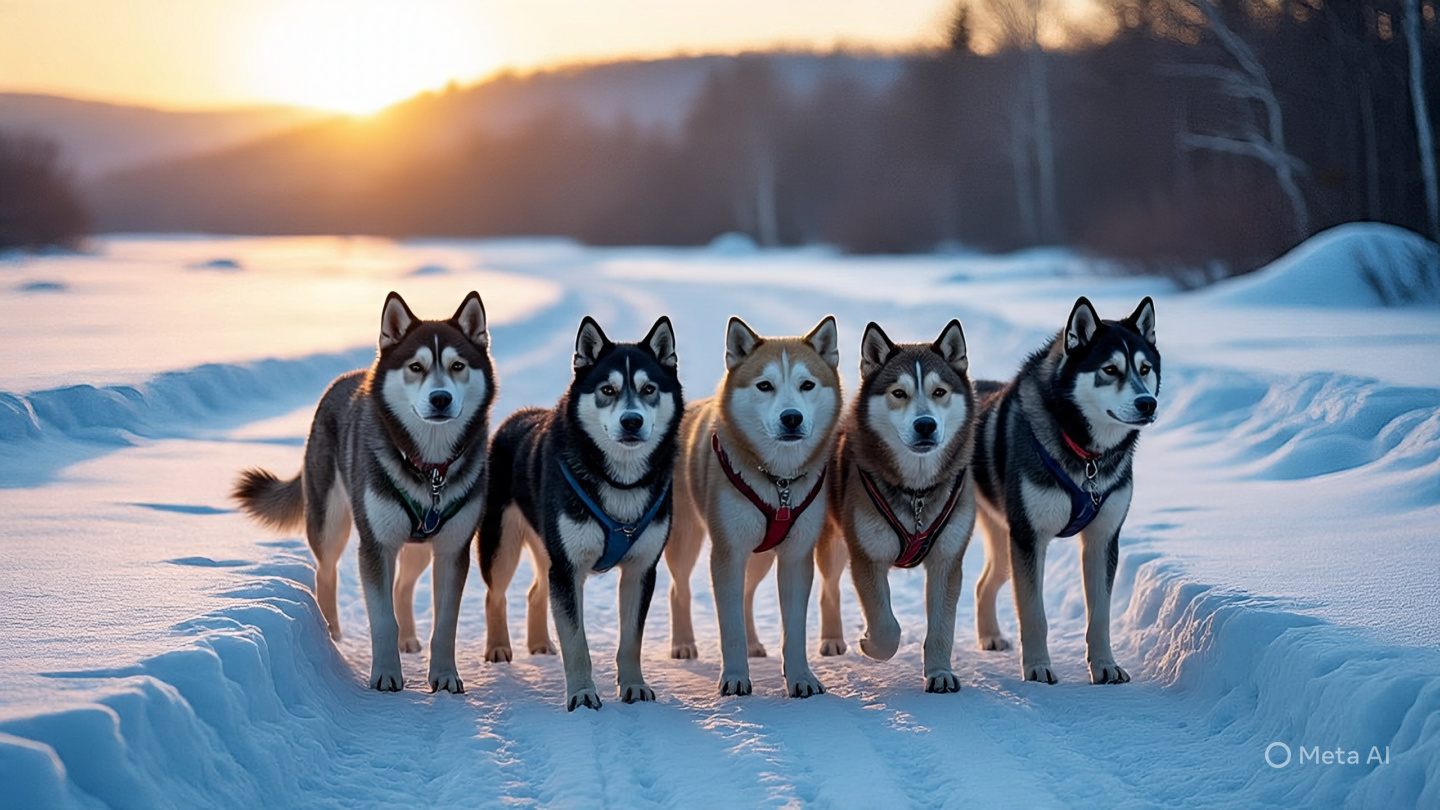
Match Breed Energy with Your Lifestyle
High-energy breeds like Huskies require active families who enjoy outdoor activities and can provide several hours of exercise daily. Lower-energy breeds like Caucasian Shepherds need space but may be content with moderate exercise routines. Honestly assess your activity level and time availability before choosing a breed.
Consider Space, Training Commitment, and Family Setup
Large breeds require adequate space both indoors and outdoors. Guardian breeds need experienced handlers who can provide consistent training and socialization. Families with small children should consider gentler breeds like Samoyeds, while those wanting protection might prefer Caucasian Shepherds.
Long-term Care and Health Needs
Research breed-specific health concerns and associated veterinary costs. Large breeds may face joint issues as they age, while thick-coated breeds require regular grooming maintenance. Consider the 10-15 year commitment involved in dog ownership and ensure you can provide consistent care throughout the dog's lifetime.
Conclusion
The bond between Russians and their cold-climate canine companions represents one of history's most enduring partnerships. These remarkable breeds offer more than mere pet ownership – they provide unwavering loyalty, protection, and companionship that transforms harsh Russian winters into opportunities for shared adventure and deeper family bonds.
Choosing the right breed creates a relationship that enriches both human and canine lives. Whether pulling sleds across frozen landscapes, guarding family homes, or simply providing warm companionship during long winter nights, these loyal dogs bring immeasurable warmth and love to even the coldest Russian winters. Their presence transforms houses into homes and families into packs, proving that with the right four-legged partner, no winter is too harsh to overcome together
User Comments (0)


Advertisement Zone
Interested in advertising here?
Contact us at support@bestfamilydogs.com
Advertisement Zone
Interested in advertising here?
Contact us at support@bestfamilydogs.com
Advertisement Zone
Interested in advertising here?
Contact us at support@bestfamilydogs.com