
Why Brazilians Are Choosing Small Dog Breeds for Apartments in São Paulo and Rio
Discover why small dog breeds are becoming the top choice for apartment living in São Paulo and Rio de Janeiro. Learn about lifestyle, space, and breed trends shaping urban pet ownership in Brazil.
August 08, 2025 06:17
Brazil's metropolitan giants, São Paulo and Rio de Janeiro, are witnessing a remarkable shift in pet ownership trends. As millions of Brazilians embrace high-rise living in these bustling urban centers, small dog breeds have become the preferred companions for apartment dwellers. This transformation reflects broader changes in Brazilian society, where pets are increasingly viewed as cherished family members rather than mere animals. The combination of space constraints, lifestyle demands, and cultural evolution has created the perfect storm for the small dog revolution sweeping through Brazil's largest cities.
The Reality of Urban Living in São Paulo and Rio
São Paulo pets and Rio dog owners face unique challenges that their suburban and rural counterparts rarely encounter. With São Paulo housing over 12 million residents and Rio accommodating more than 6 million people within their metropolitan areas, population density has reached unprecedented levels. The relentless development of high-rise condominiums and apartment complexes has become the norm, fundamentally changing how Brazilians live and, consequently, what types of pets they choose.
Apartment living Brazil presents distinct spatial limitations that significantly influence pet ownership decisions. The average apartment in São Paulo or Rio typically ranges from 40 to 80 square meters, a stark contrast to the spacious homes with large backyards that were once common in Brazil's suburban neighborhoods. These compact living spaces simply cannot accommodate large breeds that require extensive room to roam and exercise.
Furthermore, access to open spaces has become increasingly limited in urban cores. While both cities offer parks and recreational areas, the daily reality for most apartment dwellers involves navigating crowded streets and limited green spaces. This urban landscape makes small dog breeds not just preferable, but often the only practical choice for city residents who want to provide their pets with a comfortable living environment.
Apartment Rules and Pet Restrictions
Condominium pet rules Brazil play a crucial role in shaping breed selection among urban pet owners. Most residential buildings in São Paulo and Rio have established strict regulations regarding pet ownership, with many implementing dog size restrictions that effectively eliminate large breeds from consideration. These rules typically limit dogs to a maximum weight of 15-20 kilograms, making small breeds the only viable option for many residents.
The practical benefits of small dog ownership in high-rise environments extend beyond mere compliance with building regulations. Small dogs navigate elevators more easily, causing less stress for both the animal and fellow residents. Their compact size means they're less likely to accidentally knock over children or elderly neighbors in narrow hallways and common areas.
Noise considerations also heavily favor small breeds in apartment settings. While any dog can bark excessively if not properly trained, small dogs generally produce less disruptive sounds due to their size. This factor becomes particularly important in buildings where thin walls and close proximity to neighbors make noise complaints a constant concern. Property managers and building administrators often report fewer conflicts and complaints from residents who own small dogs compared to those with larger breeds.
Lifestyle Factors Influencing Breed Choice
The demanding pace of urban life in Brazil's major cities has created a perfect match between Brazilian pet trends and small dogs for busy owners. São Paulo and Rio residents often face lengthy commutes, with many spending 2-3 hours daily traveling to and from work. These extended absences from home make high-maintenance, large breeds impractical for most urban professionals.
Small breeds excel in adapting to the constraints of busy urban schedules. They require less exercise than their larger counterparts and can often meet their physical activity needs through indoor play and short walks around the neighborhood. This adaptability proves invaluable for professionals who may only have 30-45 minutes available for pet care during weekday mornings and evenings.
The demographic shift in Brazil's urban centers has also influenced breed preferences. With increasing numbers of singles, young couples, and seniors choosing apartment living, small dogs have emerged as ideal companions for these lifestyle groups. Singles appreciate the manageable size and lower maintenance requirements, while seniors find small dogs easier to handle physically. Young couples often view small dogs as "starter pets" before potentially expanding their families, appreciating breeds that can adapt to changing household dynamics.
Economic Benefits of Small Dog Ownership
The financial considerations of pet ownership significantly favor affordable dog breeds Brazil, with cost of owning small dogs representing a fraction of expenses associated with larger breeds. Food costs alone can differ dramatically, as a small breed dog typically consumes 1-2 cups of food daily compared to the 4-6 cups required by large breeds. Over a year, this difference can translate to savings of hundreds of reais for budget-conscious pet owners.
Grooming expenses also favor small breeds, with most requiring significantly less time and resources for professional care. A typical grooming session for a small dog costs 30-50% less than for large breeds, while accessories such as beds, toys, and clothing are considerably more affordable. Transportation costs decrease as well, since small dogs can often travel in carriers on public transportation or fit comfortably in smaller vehicles.
Veterinary expenses, while variable depending on the specific health needs of individual animals, generally trend lower for small breeds. Medication dosages are smaller, surgical procedures often less complex, and routine care such as nail trimming and dental cleaning typically costs less. These economic advantages make small dog ownership accessible to a broader range of Brazilian families, contributing to their growing popularity in urban areas.
Popular Small Dog Breeds in Brazil
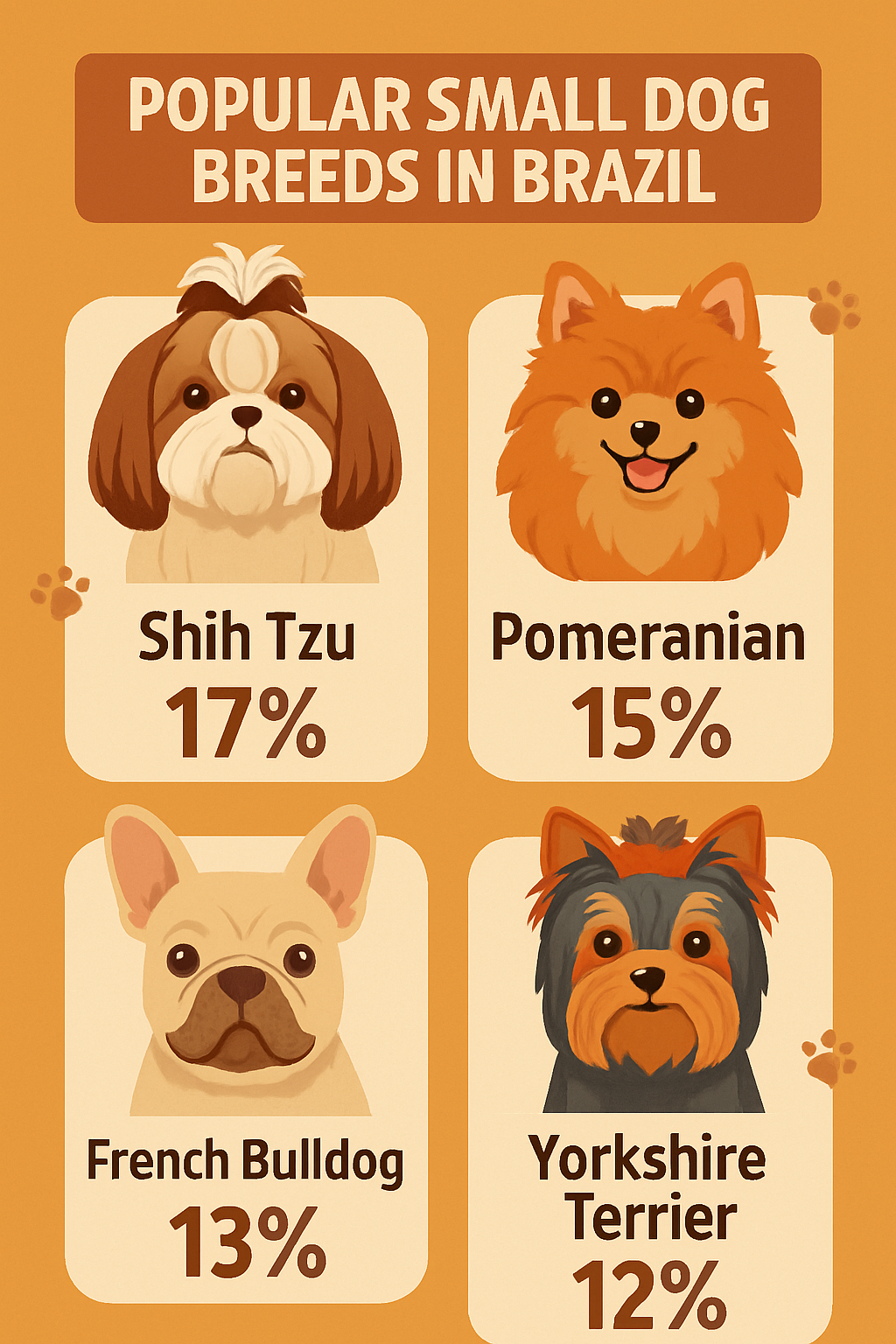
Several specific breeds have captured the hearts of Brazilian apartment dwellers, with Shih Tzu Brazil leading the popularity charts. These friendly, adaptable dogs typically weigh 4-7 kilograms and possess temperaments perfectly suited to apartment living. Their calm demeanor and moderate exercise needs make them ideal companions for urban professionals and families alike.
Pomeranian Brazil represents another favorite among city dwellers, with their playful nature and compact size making them perfect apartment companions. Weighing just 2-3 kilograms, Pomeranians require minimal space while providing maximum personality. Their fluffy coats and alert expressions have made them social media darlings, contributing to their rising popularity among younger Brazilian pet owners.
French Bulldog Brazil has experienced explosive growth in popularity, particularly among trendy urban professionals. These muscular yet compact dogs rarely exceed 14 kilograms and are renowned for their low exercise requirements and affectionate personalities. Their short coats and calm temperament make them well-suited to Brazil's warm climate and apartment living conditions.
Yorkshire Terriers round out the top choices for Brazilian apartment dwellers, offering the advantage of minimal shedding combined with a compact size rarely exceeding 3 kilograms. Their intelligence and trainability make them excellent urban companions, while their small size ensures they fit comfortably in even the most space-constrained apartments.
Climate and Comfort Considerations
Brazil's warm, tropical climate significantly influences the suitability of different breeds for urban apartment living. The best dogs for Brazil climate tend to be those with shorter coats or breeds that adapt well to indoor, air-conditioned environments. Small dog care Brazil often focuses on managing heat-related stress, making compact breeds with efficient cooling capabilities particularly attractive to urban pet owners.
Small dogs generally regulate their body temperature more efficiently in warm climates, and their compact size makes them ideally suited to spending time in air-conditioned apartments during the hottest parts of the day. Many popular small breeds, such as French Bulldogs and Boston Terriers, have short coats that require minimal grooming while providing adequate protection without causing overheating.
The indoor lifestyle common among apartment-dwelling small dogs also provides natural protection from Brazil's intense sun and occasional heavy rainfall. Owners can easily provide climate-controlled comfort for their pets, ensuring optimal health and happiness regardless of outdoor weather conditions.
Social & Cultural Influence
The explosion of Brazilian pet culture has been significantly amplified by social media dog trends, with small dogs perfectly positioned to capitalize on these cultural shifts. Instagram and TikTok have become platforms where Brazilian pet owners showcase their small breed companions, creating viral content that influences breed selection across the country.
Brazilian celebrities and social media influencers frequently feature small dogs in their content, normalizing and glamorizing apartment pet ownership. This visibility has contributed to changing perceptions about pet ownership, with small dogs often viewed as fashionable accessories that complement urban lifestyles.
The growing "pets as family members" trend in Brazilian society has also elevated the status of small dogs from simple companions to integral family members. This cultural shift has led to increased investment in pet care, training, and overall welfare, making the commitment to small dog ownership more socially acceptable and emotionally rewarding for urban dwellers.
Rise of Pet-Friendly Infrastructure
The demand for small dog accommodation has spurred the development of extensive pet-friendly infrastructure throughout São Paulo and Rio. Pet cafes Brazil have become increasingly common, providing socialization opportunities for both dogs and their owners while catering specifically to the needs of small breed dogs.
Dog parks Rio and pet services São Paulo have expanded rapidly to meet growing demand, with many facilities designed specifically with small dogs in mind. Dedicated small dog areas within larger parks ensure that tiny breeds can exercise safely without intimidation from larger animals, while specialized grooming salons and daycare services cater to the unique needs of apartment-dwelling small dogs.
Many newer apartment developments now include pet amenities such as designated relief areas, washing stations, and even small dog parks within building complexes. These facilities recognize that small dog owners represent a significant and growing market segment worthy of specialized accommodation.
Challenges & Responsibilities of Small Dog Ownership
Despite their advantages, small dog care tips emphasize that these breeds come with unique challenges that Brazilian apartment owners must address responsibly. Small dog training Brazil often focuses on addressing behavioral issues such as excessive barking, separation anxiety, and overprotectiveness that can develop when small dogs are not properly socialized.
The compact living spaces that make small dogs practical can also contribute to behavioral problems if owners don't provide adequate mental stimulation and social interaction. Small dogs can become territorial or anxious when confined to apartments for extended periods without proper exercise and socialization opportunities.
Responsible ownership requires Brazilian pet owners to invest in proper training, regular veterinary care, and adequate socialization regardless of their dog's size. The convenience of small dog ownership should never overshadow the fundamental responsibilities that come with caring for any living creature.
The preference for small dog breeds among apartment dwellers in São Paulo and Rio reflects a perfect alignment between urban realities and practical pet ownership solutions. Space constraints, lifestyle demands, economic considerations, and cultural shifts have all contributed to making small dogs the ideal companions for modern Brazilian city living.
However, the growing popularity of small breeds should not diminish the importance of responsible pet ownership. Regardless of size, every dog deserves proper care, training, socialization, and medical attention. As Brazil's urban centers continue to grow and evolve, the relationship between city dwellers and their small canine companions will undoubtedly deepen, creating even stronger bonds between pets and their human families.
Brazilian apartment dwellers considering small dog ownership should approach the decision thoughtfully, ensuring they can provide the time, resources, and commitment necessary for proper pet care. When these responsibilities are met, small dogs can provide years of companionship, joy, and emotional fulfillment that perfectly complement the urban Brazilian lifestyle.
User Comments (0)




Advertisement Zone
Interested in advertising here?
Contact us at support@bestfamilydogs.com
Advertisement Zone
Interested in advertising here?
Contact us at support@bestfamilydogs.com
Advertisement Zone
Interested in advertising here?
Contact us at support@bestfamilydogs.com