
Worst Family Dogs: A Complete Guide to Challenging Breeds for Families
When choosing a family dog, most people focus on the best breeds for children and family life. However, understanding which dogs might be challenging for families is equally important. While no dog is inherently "bad," certain breeds have characteristics that make them less suitable for typical family environments, especially those with young children. This comprehensive guide explores the worst family dogs, helping you make an informed decision about which breeds might not be the best fit for your household.
August 05, 2025 09:55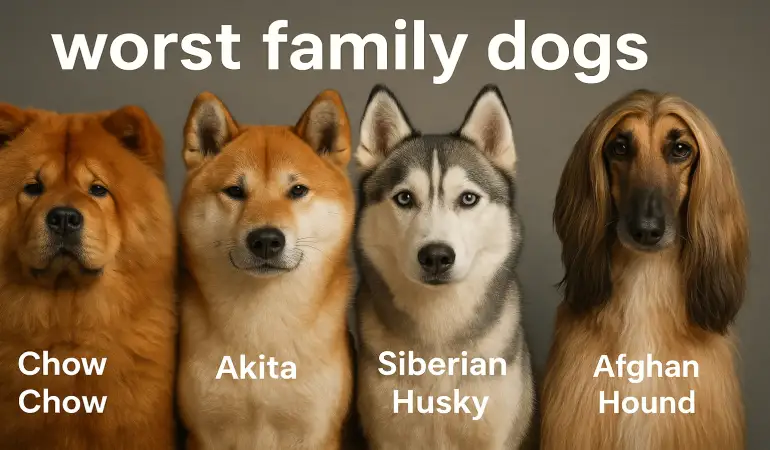
Worst Family Dogs: A Complete Guide to Challenging Breeds for Families
When choosing a family dog, most people focus on the best breeds for children and family life. However, understanding which dogs might be challenging for families is equally important. While no dog is inherently "bad," certain breeds have characteristics that make them less suitable for typical family environments, especially those with young children. This comprehensive guide explores the worst family dogs, helping you make an informed decision about which breeds might not be the best fit for your household.
Understanding What Makes a Dog Challenging for Families
Before diving into specific breeds, it's crucial to understand what characteristics can make a dog difficult for family life. The worst dogs for families often share certain traits that conflict with the needs of busy households with children.
High Energy and Exercise Requirements
Some breeds require extensive daily exercise and mental stimulation. Dogs that need several hours of vigorous activity daily can become destructive, anxious, or aggressive when their needs aren't met. For busy families, meeting these intense exercise requirements can be nearly impossible.
Strong Prey Drive and Aggression Issues
Certain breeds have been developed for hunting, guarding, or fighting purposes. These dogs may have strong prey drives that make them unsuitable around small children or other pets. Some breeds also have tendencies toward territorial or protective aggression that requires experienced handling.
Size and Strength Concerns
Large, powerful breeds can accidentally injure small children through their sheer size and strength. Even well-intentioned play can result in knocked-over toddlers or accidental scratches and bruises.
Grooming and Maintenance Demands
Some breeds require extensive grooming, special diets, or frequent veterinary care. For families already juggling multiple responsibilities, high-maintenance dogs can add unnecessary stress and expense.
The Worst Dog Breeds for Families with Children
1. Chow Chow - Not the Best Family Pet
Chow Chows consistently rank among the worst family dogs due to their aloof nature and potential for aggression. Originally bred as guard dogs in China, Chows are naturally suspicious of strangers and can be territorial around children they don't know well.
Why Chow Chows Are Challenging:
- Independent and stubborn personality
- Can be aggressive toward strangers and other dogs
- Require experienced handling and early socialization
- Not naturally playful or tolerant of children's behavior
- Heavy shedding and grooming requirements
2. Akita - Beautiful But Problematic Family Dogs
Akitas are large, powerful dogs originally bred for hunting and guarding in Japan. While loyal to their families, they can be challenging pets for households with children due to their strong-willed nature and potential for aggression.
Akita Challenges for Families:
- Can weigh up to 130 pounds with incredible strength
- Naturally protective and can be aggressive toward strangers
- Not tolerant of rough play or teasing from children
- Require extensive training and socialization
- Can be dog-aggressive, especially with same-sex dogs
3. Siberian Husky - High Energy Dogs Not Suitable for All Families
Despite their popularity and striking appearance, Siberian Huskies are among the most challenging family pets. These high-energy dogs were bred for endurance sledding and have exercise needs that most families cannot meet.
Why Huskies Are Difficult Family Dogs:
- Require 2-3 hours of vigorous exercise daily
- Notorious escape artists and diggers
- Heavy shedding twice yearly
- Can be destructive when bored or under-exercised
- Strong prey drive makes them unsuitable around small pets
- Vocal and can be disruptive to neighbors
4. Dalmatian - Not as Family-Friendly as Movies Suggest
Made famous by Disney movies, Dalmatians might seem like perfect family pets, but they're actually quite challenging for most households. These energetic dogs have specific needs that make them unsuitable for many families.
Dalmatian Family Challenges:
- Extremely high energy levels requiring extensive exercise
- Can be snappy or nippy, especially around small children
- Prone to deafness and urinary stones
- Require consistent, firm training
- Can become destructive when bored
5. Afghan Hound - Beautiful But Difficult Dogs for Families
Afghan Hounds are elegant, beautiful dogs, but their independent nature and high maintenance needs make them poor choices for most families. These sight hounds have specific requirements that conflict with typical family life.
Afghan Hound Difficulties:
- Extremely independent and aloof personality
- High grooming requirements with daily brushing needed
- Strong prey drive makes them chase small animals and children
- Difficult to train due to independent nature
- Require extensive exercise and mental stimulation
Most Aggressive Dog Breeds to Avoid with Children
German Shepherd - Potentially Problematic Without Proper Training
While German Shepherds can be excellent family dogs with proper training, they also appear on many "worst family dog" lists due to their size, strength, and protective instincts. Without adequate socialization and training, they can become overprotective and potentially dangerous.
German Shepherd Concerns:
- Large size (60-90 pounds) can overwhelm children
- Strong protective instincts can lead to overguarding
- Require extensive exercise and mental stimulation
- Can develop separation anxiety
- Need experienced handling and consistent training
Rottweiler - Powerful Dogs Requiring Experienced Owners
Rottweilers are powerful, intelligent dogs that can be loving family pets in the right hands. However, their size, strength, and guarding instincts make them challenging for inexperienced families, especially those with small children.
Rottweiler Family Challenges:
- Can weigh up to 135 pounds with incredible jaw strength
- Naturally protective and can be territorial
- Require early socialization and ongoing training
- Not suitable for families with very young children
- Can be dominant and require confident handling
Small Dogs That Are Worst for Families
Chihuahua - Tiny Dogs with Big Attitude Problems
Despite their small size, Chihuahuas are often considered among the worst dogs for families with children. These tiny dogs can be snappy, territorial, and intolerant of the chaos that comes with family life.
Chihuahua Family Issues:
- Can be nippy and aggressive toward children
- Fragile build makes them unsuitable around young kids
- Tend to be one-person dogs, not family pets
- Can be yappy and disruptive
- Often develop small dog syndrome without proper training
Jack Russell Terrier - High Energy Small Dogs
Jack Russell Terriers are energetic, intelligent dogs that were bred for fox hunting. Their high energy levels and terrier temperament make them challenging for families, especially those with small children.
Jack Russell Challenges:
- Extremely high energy requiring extensive exercise
- Can be nippy and mouthy during play
- Strong prey drive and chasing instincts
- Can be destructive when bored
- Require consistent, firm training
Dog Breeds to Avoid for First-Time Owners
Belgian Malinois - Working Dogs Not Suited for Family Life
Belgian Malinois are intelligent, high-drive working dogs used in military and police work. While incredibly capable, they are among the worst choices for typical family pets due to their intense exercise and mental stimulation needs.
Belgian Malinois Difficulties:
- Require 2-3 hours of intense exercise daily
- Need a job or purpose to prevent destructive behavior
- Can be mouthy and nippy
- Extremely intelligent and can outsmart inexperienced owners
- Not suitable for apartment living or sedentary families
Basenji - The "Barkless" Dog with Big Problems
Basenjis are unique dogs that don't bark in the traditional sense, but they present numerous challenges for families. These independent, cat-like dogs are difficult to train and have specific needs that make them unsuitable for most households.
Basenji Family Challenges:
- Extremely independent and difficult to train
- Can be destructive and mischievous
- Not affectionate or cuddly like typical family pets
- Require extensive mental stimulation
- Can be escape artists
Factors That Make Dogs Unsuitable for Families
Lack of Tolerance for Children
The worst family dogs often lack the patience and tolerance needed to live harmoniously with children. Dogs that are easily startled, resource-guard, or have low tolerance for noise and chaos are poor choices for busy families.
Exercise Requirements Beyond Family Capabilities
Many challenging breeds require more exercise than typical families can provide. Dogs bred for working purposes often need several hours of vigorous activity daily, which is unrealistic for most households.
Training and Socialization Demands
Some breeds require extensive, ongoing training and socialization that exceeds what most families can provide. Dogs that need professional training or have complex behavioral needs may not be suitable for average pet owners.
Health and Maintenance Issues
Certain breeds have significant health problems or grooming requirements that can be overwhelming for families. High-maintenance dogs can strain family budgets and time resources.
Alternatives: Best Family Dog Breeds to Consider Instead
While this article focuses on challenging breeds, it's important to highlight better alternatives for families:
Golden Retriever
Known for their gentle nature, intelligence, and love of children, Golden Retrievers consistently rank as one of the best family dogs.
Labrador Retriever
Labs are friendly, outgoing, and patient with children, making them excellent family pets.
Cavalier King Charles Spaniel
These gentle, affectionate dogs are great with kids and have moderate exercise needs.
Beagle
Beagles are friendly, patient, and sturdy enough for active children while being manageable in size.
Making the Right Choice for Your Family
Assessing Your Family's Lifestyle
Before choosing any dog, honestly assess your family's lifestyle, experience level, and commitment to training and exercise. Consider factors such as:
- Available time for exercise and training
- Experience with dog ownership
- Ages of children in the home
- Living situation (apartment vs. house with yard)
- Budget for veterinary care and maintenance
The Importance of Individual Dogs
Remember that while breed tendencies are important, individual dogs within breeds can vary significantly. Proper socialization, training, and care can make a significant difference in any dog's behavior.
Professional Guidance
Consider consulting with professional dog trainers, behaviorists, or veterinarians when choosing a family pet. They can provide personalized advice based on your specific situation.
Choosing Wisely for Your Family's Safety and Happiness
Selecting the right dog for your family is one of the most important decisions you'll make as a pet owner. While the breeds mentioned in this article can make wonderful pets for experienced owners in the right situations, they present challenges that make them unsuitable for typical family environments, especially those with young children.
The worst family dogs are typically those with high exercise requirements, aggressive tendencies, size and strength concerns, or temperaments that don't mesh well with the chaos and energy of family life. By understanding these challenges and choosing more suitable breeds, families can ensure a positive experience for both their children and their four-legged family members.
Remember that any dog, regardless of breed, requires proper training, socialization, and care to be a good family pet. The key is choosing a breed whose natural temperament and needs align with your family's lifestyle and capabilities. When in doubt, consult with professionals and consider visiting local shelters where mixed breeds often make excellent, well-balanced family pets.
By making an informed decision and avoiding breeds that are known to be challenging for families, you'll be setting your household up for years of joy and companionship with your canine family member
User Comments (0)




Advertisement Zone
Interested in advertising here?
Contact us at support@bestfamilydogs.com
Advertisement Zone
Interested in advertising here?
Contact us at support@bestfamilydogs.com
Advertisement Zone
Interested in advertising here?
Contact us at support@bestfamilydogs.com